Cemetery Archaeology
Archaeological investigation, handled by registered, professional archaeologists.
Controlled excavation and archaeological documentation for specialized cemetery projects — from routine single and multiple recoveries to forensically significant historical investigations.
Discuss Your Project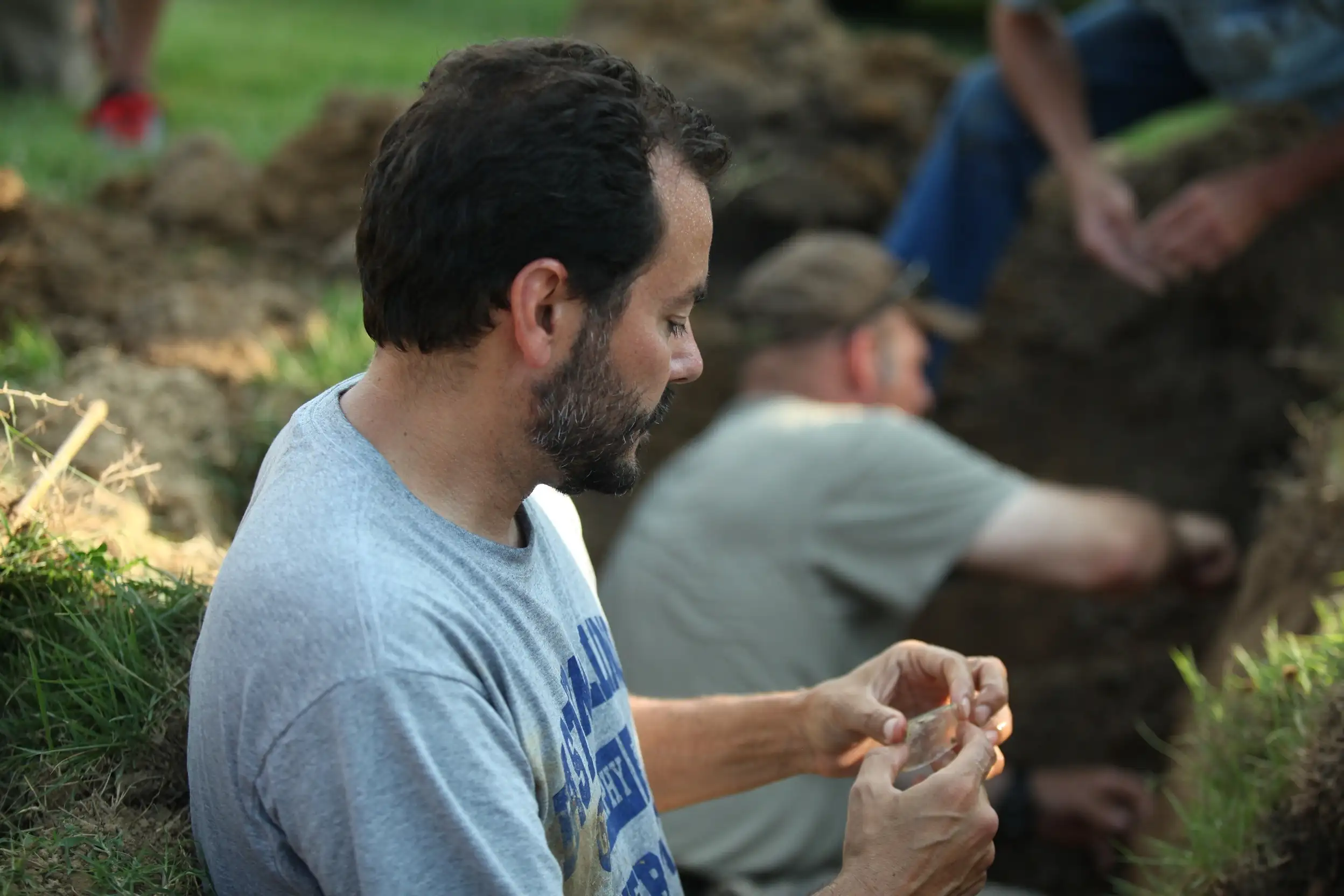
Every recovery is handled with care.
Systematic, carefully managed excavation that preserves context, maintains chain of custody, and meets professional and regulatory standards. Every artifact and archaeological feature is mapped with survey-grade accuracy.
Experience with complex, high-profile investigations that combine archaeological methods with archival research and strict documentation requirements.
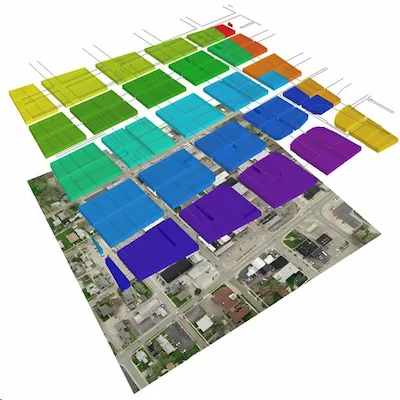
From isolated single-body situations to larger recovery efforts — each handled with the same level of care, documentation, and professionalism. We conduct thorough scientific research before excavating – often months and even years, narrowing our excavation targets to square meters, not acres.
Structured field notes, photographic records, stratigraphic observations, and final reporting aligned to your project's needs and stakeholder requirements.
Notable Projects
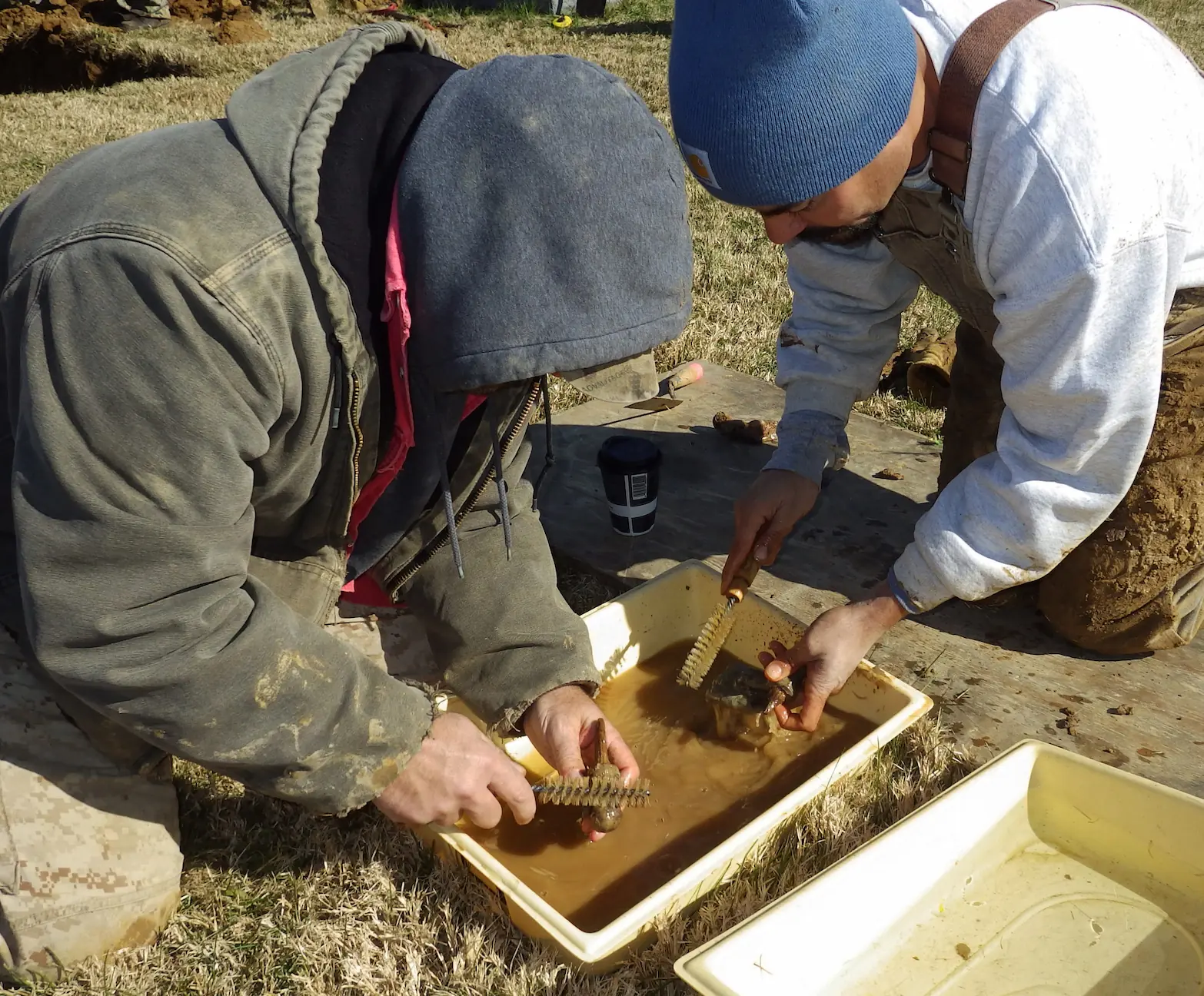
For decades our team has supported some of the most significant cemetery archaeology projects in the Midwest, combining rigorous field methods with archival and forensic components.
-
1922 Herrin Massacre Project
Twenty-three men died over a two-day killing spree on June 21–22, 1922 — the largest mass murder of non-union labor in American history. Cemetery archaeology, archival research, and forensic work combined to locate and permanently document their long-lost resting place.
-
Victims of the Pana Riot
Part of the Illinois Coal Wars (1898–1900), the Pana Riots resulted in the death of seven individuals who were interred in unmarked graves in a Potter's Field that was abandoned in the late 1920's, the burial site has been lost to time. Archaeospatial and archival research have narrowed the burial location to a small section of the cemetery where recovery work is ongoing.
Grounded in published research.
The fieldwork behind our cemetery archaeology practice has been documented in peer-reviewed journals, technical reports, and national conference presentations.
- 2025 Lovekamp, W. E., Foster, G. S., & Di Naso, S. M. Protecting the Dead: Cemetery Preservation and Disaster Planning. Natural Hazards Observer, 40(6).
- 2014 Di Naso, S. M., et al. An Investigation of a Potter's Field: Precision Surveys and Geospatial Techniques in Cemetery Modeling. Journal of the Chartered Institution of Civil Engineering Surveyors.
- 2014 Di Naso, S. M., & Doody, S. Finding the Victims of the Herrin Massacre: Mystery Dating from 1922 Solved. Esri ArcUser Magazine.
- 2008 Henson Jr., H., Cobb, D. E., Di Naso, S. M., et al. Geophysical and Archaeological Investigations to Find the Lost Strahan Cemetery. The Living Museum, 70(2–3).
From scope to final report.
Understand objectives, site constraints, access conditions, and required deliverables before any field plan is established.
Conduct controlled excavation and recovery using methods appropriate to the site, context, and project sensitivity.
Record context, stratigraphy, features, and findings with field notes, photography, and scaled drawings throughout the process.
Provide a clear final report with findings, methods, photographic record, and recommendations suited to your stakeholders and next steps.
Need support for a cemetery archaeology project?
Share the location, goals, and any known site history. We'll recommend an approach and the deliverables you can expect.
Contact Us